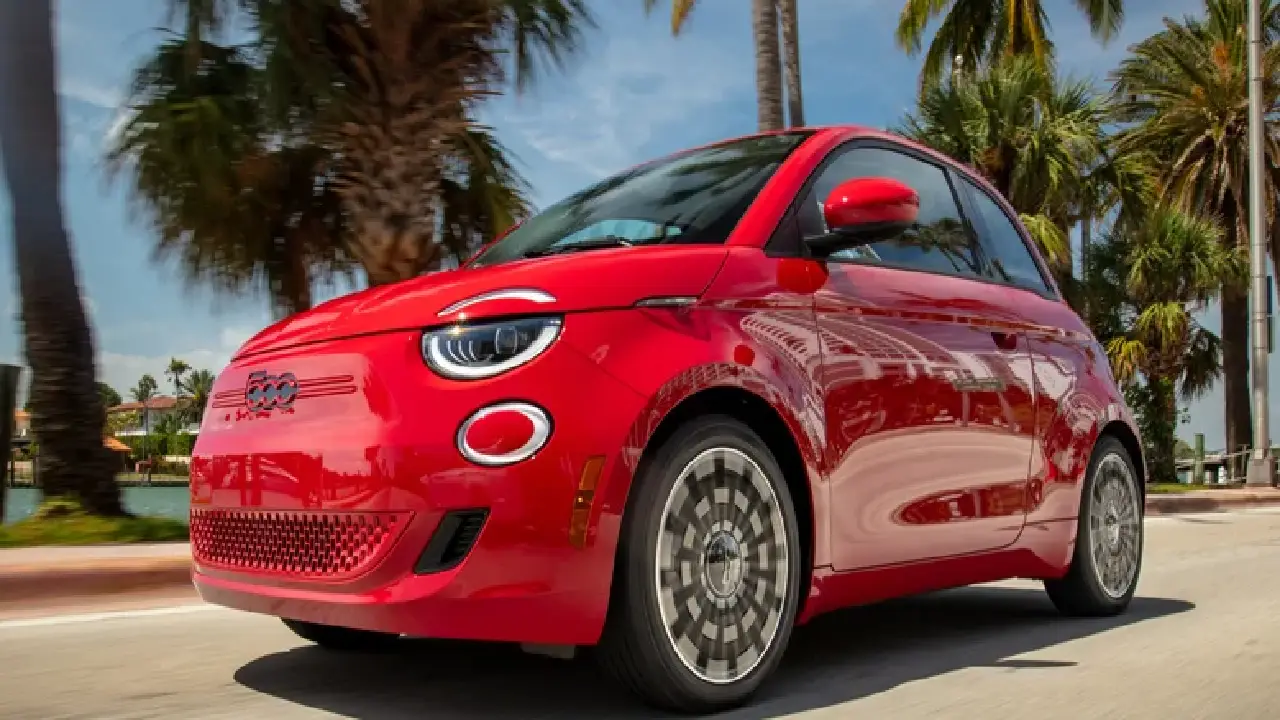
Introduction: Buying your first electric vehicle can feel like a big step. However, once you understand charging, driving habits, and battery care, EV ownership becomes much easier than most people expect.
First Month of EV Ownership: What Every New Electric Car Owner Should Know
Switching from a petrol or diesel car to an electric vehicle (EV) can seem overwhelming at first. Questions about charging, driving range, and battery life are common among first-time buyers. Fortunately, most new EV owners discover that daily driving is much simpler than they imagined.
Unlike conventional vehicles, EVs have fewer moving parts, require less maintenance, and deliver instant acceleration. Once you spend a few weeks with an electric car, driving it quickly becomes second nature.
Take Time to Learn Your EV
Every electric vehicle comes with its own technology, settings, and charging options. Therefore, one of the first things every new owner should do is read the owner’s manual.
Modern EVs include advanced infotainment systems, regenerative braking controls, drive modes, smartphone connectivity, and battery management features. Spending a little time learning these functions will help you enjoy a smoother ownership experience.
Moreover, customizing driver settings, charging schedules, and safety features early on makes the vehicle more convenient for everyday use.
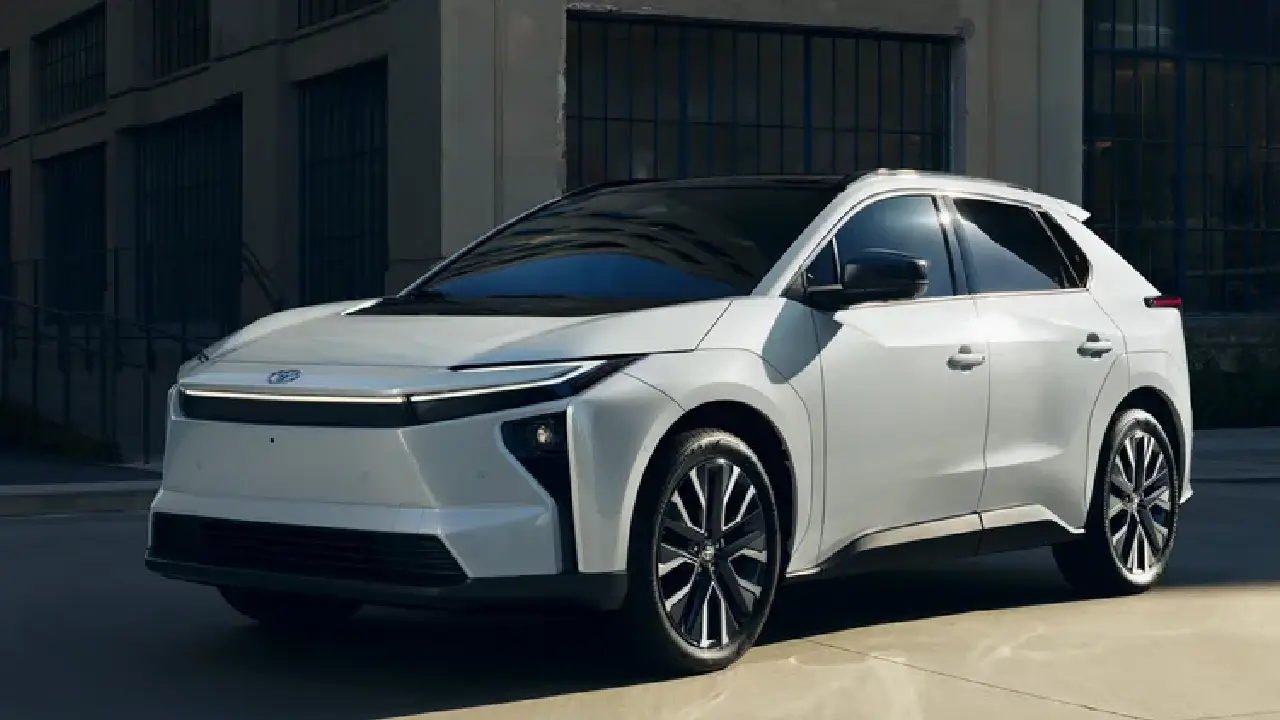
Home Charging Makes Daily Driving Easier
The biggest advantage of owning an EV is the ability to charge it at home. Instead of visiting a fuel station every week, you simply plug the car in overnight and wake up with a fully charged battery.
Most drivers travel less than 50 miles (80 km) per day, meaning even a standard household outlet may be enough for light daily use. However, installing a Level 2 home charger significantly reduces charging time and is recommended for drivers who regularly cover longer distances.
Charging at home is usually cheaper than using public charging stations and adds convenience to your daily routine.
| Charging Option | Best For |
|---|---|
| Standard Home Outlet | Short daily commutes |
| Level 2 Home Charger | Regular daily driving |
| DC Fast Charger | Long-distance travel |
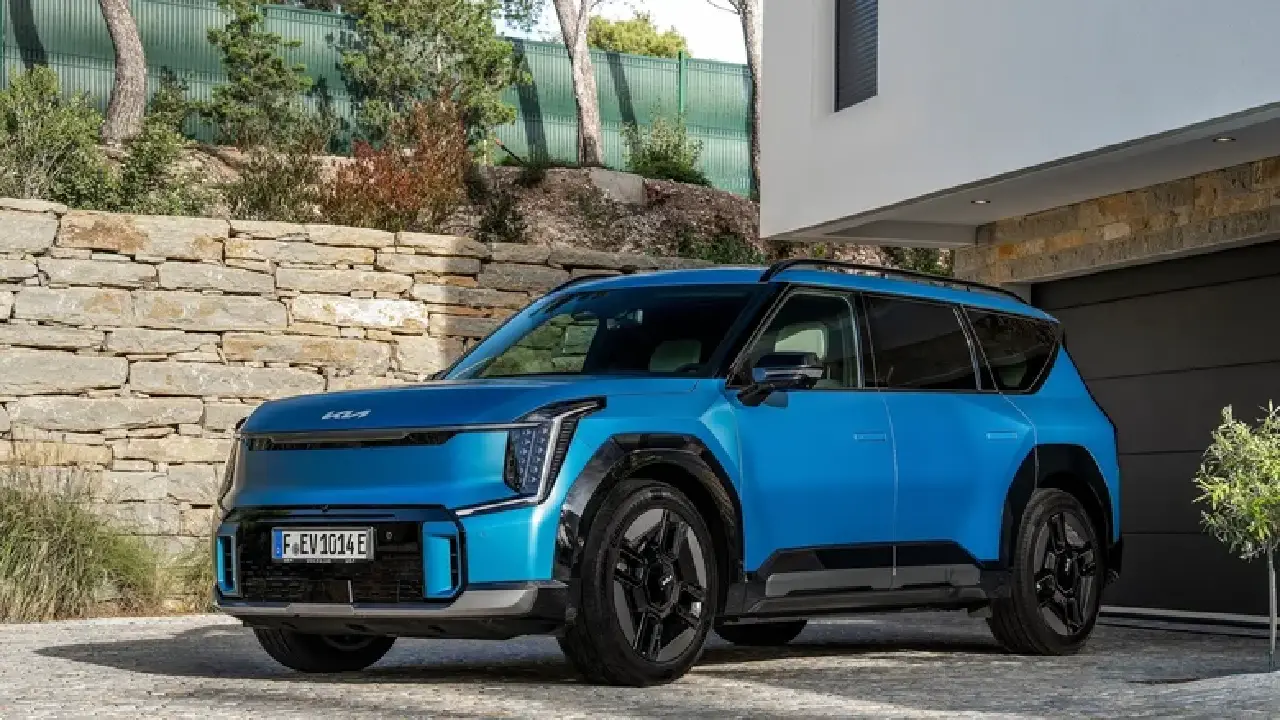
Know Where Public Chargers Are Located
Even if you mainly charge at home, it’s important to know where nearby public charging stations are located. Apps like ChargePoint, Electrify America, EVgo, and Blink help drivers locate available chargers, monitor charging status, and make payments directly from their smartphones.
Meanwhile, many shopping malls, supermarkets, restaurants, hotels, and office buildings now offer EV charging facilities. Planning charging stops around your regular routine can save both time and money.
For long road trips, using your vehicle’s built-in navigation system can help identify compatible fast chargers along your route.
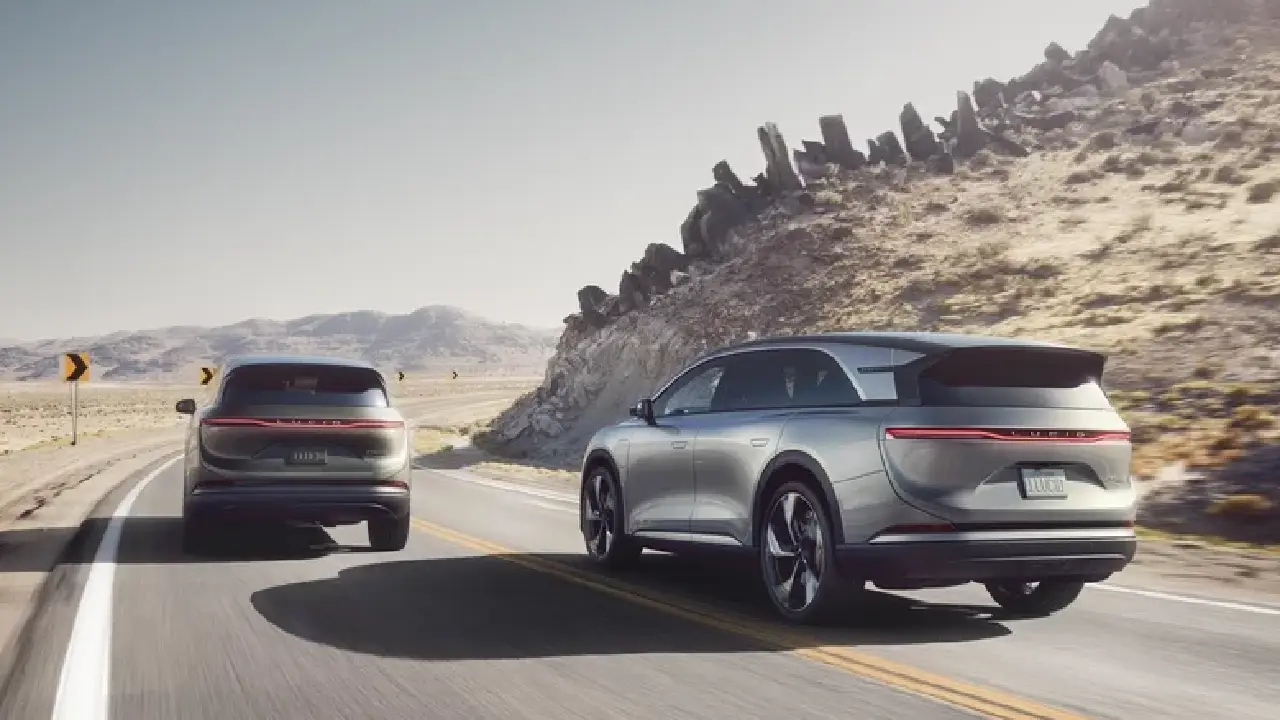
Spend a Few Weeks Driving Locally First
Although modern electric vehicles are capable of long-distance travel, it’s a good idea to spend your first few weeks driving close to home. This gives you time to understand your car’s charging speed, battery consumption, regenerative braking, and overall driving range before heading out on extended journeys.
Most EV manufacturers provide comprehensive battery warranties, so reliability should not be a major concern. Still, becoming familiar with your vehicle before taking longer trips helps build confidence behind the wheel.

Drive Smoothly to Get the Best Driving Range
One of the first things new EV owners notice is how quickly electric cars accelerate. Unlike petrol or diesel vehicles, electric motors deliver instant torque, making even entry-level EVs feel quick off the line.
However, aggressive acceleration and high-speed driving can reduce your driving range. Smooth throttle inputs, maintaining steady speeds, and using regenerative braking efficiently can help maximize battery performance. Therefore, adopting a relaxed driving style not only improves efficiency but also extends the distance you can travel on a single charge.
Understand Regenerative Braking
Regenerative braking is one of the biggest differences between electric and conventional vehicles. Instead of wasting energy during braking, the electric motor converts part of that energy back into electricity and stores it in the battery.
Many EVs also offer adjustable regenerative braking levels or one-pedal driving. After a few days behind the wheel, most drivers find this system comfortable and appreciate the smoother driving experience it provides.
| Feature | Benefit |
|---|---|
| Instant Torque | Quick and smooth acceleration |
| Regenerative Braking | Improves driving efficiency |
| Home Charging | Lower running costs |
| DC Fast Charging | Convenient for highway trips |
Don’t Believe Every EV Myth
New EV owners often hear misconceptions about battery life, charging, or long-distance travel. In reality, today’s electric vehicles are far more capable than many people realize. Most modern EVs offer long battery warranties, advanced battery management systems, and access to an expanding public charging network.
Moreover, battery technology continues to improve every year, making electric vehicles more practical for daily commuting and even cross-country travel.
Plan Longer Trips in Advance
Although daily driving rarely requires public charging, planning becomes more important during long journeys. Most EV navigation systems automatically recommend charging stops based on battery level, traffic conditions, and charger availability.
Before starting a road trip, check the charging locations along your route and keep one or two backup stations in mind. This simple habit makes long-distance EV travel much less stressful.
Final Thoughts
The first month of EV ownership is mostly about building confidence. Once you become familiar with charging, battery management, and regenerative braking, driving an electric vehicle feels just as natural as driving a conventional car. With lower maintenance costs, quiet performance, and an expanding charging network, owning an EV becomes easier with every journey.
Keywords: First EV Ownership, Electric Vehicle Guide, EV Charging Tips, Home EV Charging, Regenerative Braking, EV Range Tips, Electric Car Ownership, EV Road Trip
Frequently Asked Questions
Q1. Is it difficult to own an electric vehicle?
No. Most owners adjust within a few weeks, especially if they can charge at home regularly.
Q2. Should I install a Level 2 charger?
Yes, if you drive long distances regularly. It significantly reduces charging time compared to a standard household outlet.
Q3. Does fast charging damage the battery?
Occasional DC fast charging is safe. For everyday charging, most manufacturers recommend using home AC charging whenever possible.
Leave a Reply