Tag: Monsoon Driving Tips

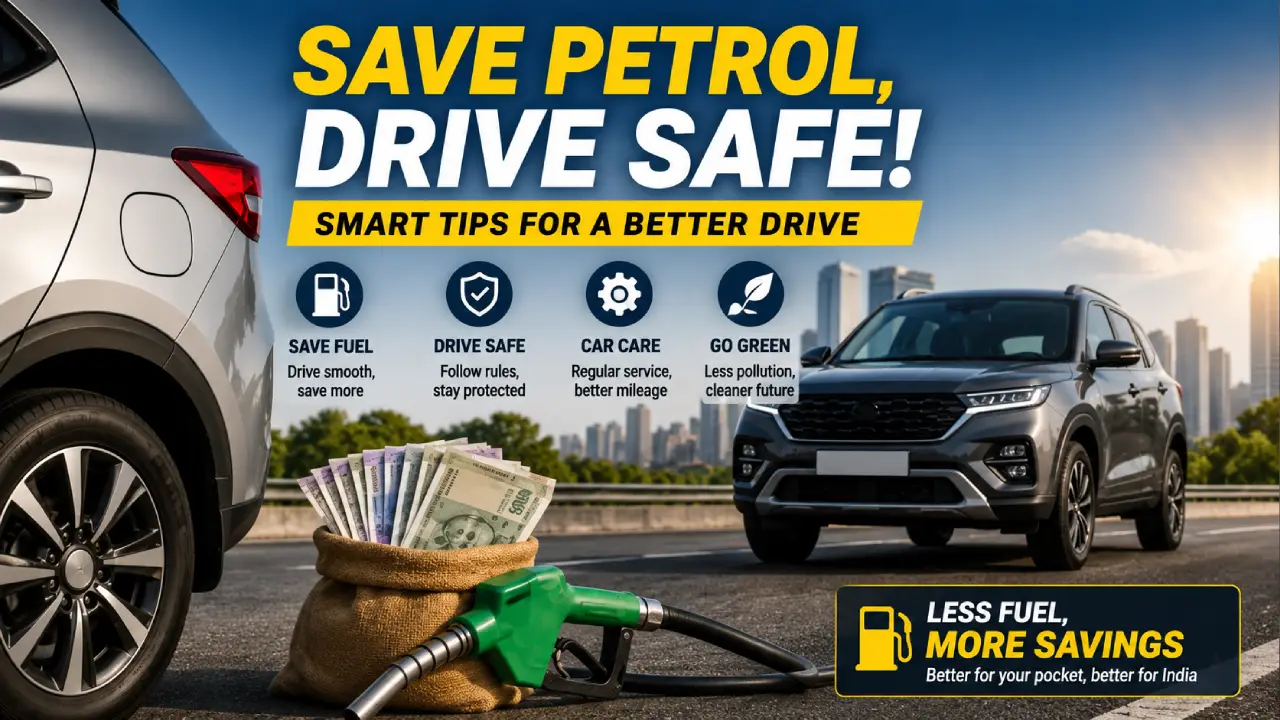
  • Save Big on Petrol! Best SUVs Under ₹15 Lakh with High Mileage & 6 Airbags in India

    Save Big on Petrol! Best SUVs Under ₹15 Lakh with High Mileage & 6 Airbags in India

    Introduction: Rising petrol prices and unpredictable monsoon weather are making SUV ownership more expensive. If your budget is under ₹15 lakh, these compact SUVs combine strong fuel efficiency, modern safety features, and affordable maintenance for everyday driving.

    Buying a compact SUV today involves much more than comparing engine power or design. With petrol prices remaining high across many Indian cities and monsoon conditions affecting daily driving, buyers are paying closer attention to fuel economy, safety, and long-term ownership costs. Whether you drive to work every day or frequently travel with family, choosing the right SUV can help reduce your monthly expenses while keeping every journey comfortable.

    Fortunately, several compact SUVs priced below ₹15 lakh continue to offer an excellent balance of performance, practicality, and advanced safety technology. Models like the Maruti Suzuki Brezza, Tata Nexon, Hyundai Venue, and Mahindra XUV 3XO have become some of the most popular options in the segment because they deliver dependable performance without putting excessive pressure on your fuel budget.

    Moreover, modern petrol engines have become more refined and efficient than before. However, real-world mileage still depends on traffic conditions, driving style, air-conditioner usage, and regular vehicle maintenance. Therefore, buyers should evaluate the complete ownership experience instead of focusing only on the claimed mileage figures.

    Maruti Suzuki Brezza Mileage and Running Cost

    The Maruti Suzuki Brezza remains one of the strongest value-for-money SUVs in the country. Powered by a refined 1.5-litre petrol engine, it delivers smooth city performance along with impressive fuel efficiency. Under normal driving conditions, the Brezza can return around 15.5 km/l in city traffic, helping owners keep their running costs under control.

    In addition, Maruti Suzuki’s extensive service network ensures affordable maintenance and easy availability of spare parts across India. Consequently, the Brezza continues to attract buyers looking for dependable ownership with lower long-term expenses.

    Tata Nexon Offers Safety with Everyday Practicality

    The Tata Nexon has built a strong reputation for combining solid build quality with modern safety equipment. It now comes with six airbags as standard, making it one of the safest compact SUVs in its segment.

    Moreover, Electronic Stability Control (ESC), hill-hold assist, and traction management improve confidence during heavy rain and slippery road conditions. Although its city mileage is slightly lower than the Brezza, many buyers appreciate the Nexon’s reassuring safety package and comfortable ride quality.

    Hyundai Venue Delivers Premium Features

    The Hyundai Venue appeals to buyers who prefer modern technology and premium cabin features. The SUV offers connected car technology, a feature-rich infotainment system, wireless smartphone connectivity, and multiple convenience features that enhance the daily driving experience.

    Additionally, the Venue now includes six airbags as standard across the range. While real-world mileage typically stays around 12–13 km/l in heavy city traffic, the Venue makes up for it with refinement, comfort, and excellent urban usability.

    Mahindra XUV 3XO Balances Performance and Safety

    The Mahindra XUV 3XO has quickly become a strong competitor in the compact SUV segment. Its petrol engine delivers responsive acceleration without compromising everyday practicality. Furthermore, the SUV comes equipped with six airbags, Electronic Stability Control, and several driver-assistance features that improve safety during challenging road conditions.

    The suspension is also well suited for rough roads and potholes, making it a comfortable companion for both city drives and weekend highway trips.

    Compact SUV Comparison Under ₹15 Lakh

    Model Estimated City Mileage Safety Features Starting Price*
    Maruti Suzuki Brezza 15.5 km/l ESC, 6 Airbags ₹8.69 Lakh
    Tata Nexon 13.8 km/l 6 Airbags, ESC ₹8.00 Lakh
    Hyundai Venue 12.5 km/l 6 Airbags ₹7.94 Lakh
    Mahindra XUV 3XO 13.2 km/l 6 Airbags, ESC ₹7.99 Lakh

    *Approximate ex-showroom starting prices.

    How to Reduce Fuel Costs During the Monsoon

    Driving efficiently becomes even more important during the rainy season. Wet roads, frequent traffic jams, and continuous air-conditioner usage can reduce mileage significantly. Therefore, maintaining proper tyre pressure, avoiding sudden acceleration, and following scheduled servicing can help improve fuel efficiency.

    Additionally, choosing an SUV equipped with Electronic Stability Control and quality tyres enhances safety on slippery roads. Buyers should also inspect the condition of wiper blades, brakes, and headlights before travelling during heavy rainfall.

    Things to Consider Before Buying

    Besides the purchase price, compare insurance premiums, maintenance packages, service intervals, and warranty coverage. These factors directly affect the overall cost of ownership. Moreover, if waiting periods are long, checking multiple dealerships may help you find quicker delivery options.

    It is equally important to take a proper test drive. Evaluate visibility, seating comfort, steering feel, braking performance, and cabin insulation before making your final decision. A vehicle that feels comfortable during everyday driving will provide better long-term satisfaction than one chosen only for its specifications.

    Final Verdict

    The compact SUV segment under ₹15 lakh offers several excellent choices for Indian buyers. The Maruti Suzuki Brezza stands out for its fuel efficiency and affordable ownership costs. Meanwhile, the Tata Nexon remains one of the safest options with its strong build quality and standard six airbags.

    The Hyundai Venue delivers premium technology and everyday refinement, while the Mahindra XUV 3XO offers an attractive balance of performance, comfort, and advanced safety equipment. Ultimately, the right SUV depends on your driving habits, budget, and feature preferences. By comparing running costs, mileage, safety, and maintenance together, buyers can make a smarter long-term investment.

    Feature Details
    Budget Under ₹15 Lakh
    Body Type Compact SUV
    Best Mileage Maruti Suzuki Brezza
    Best Safety Tata Nexon
    Standard Safety Up to 6 Airbags & ESC

    Frequently Asked Questions

    Q1. Which SUV under ₹15 lakh offers the best fuel efficiency?

    The Maruti Suzuki Brezza is among the most fuel-efficient petrol compact SUVs in this price segment.

    Q2. Which compact SUV is considered the safest?

    The Tata Nexon is widely recognised for its strong safety credentials and comes with six airbags as standard.

    Q3. Is Electronic Stability Control important during the monsoon?

    Yes. ESC helps improve vehicle stability on slippery roads and reduces the chances of losing control during emergency manoeuvres.
  • Mumbai Red Alert: Tree Falls Near Ambani Convoy! Are Luxury SUVs Really Safe During Heavy Rain?

    Mumbai Red Alert: Tree Falls Near Ambani Convoy! Are Luxury SUVs Really Safe During Heavy Rain?

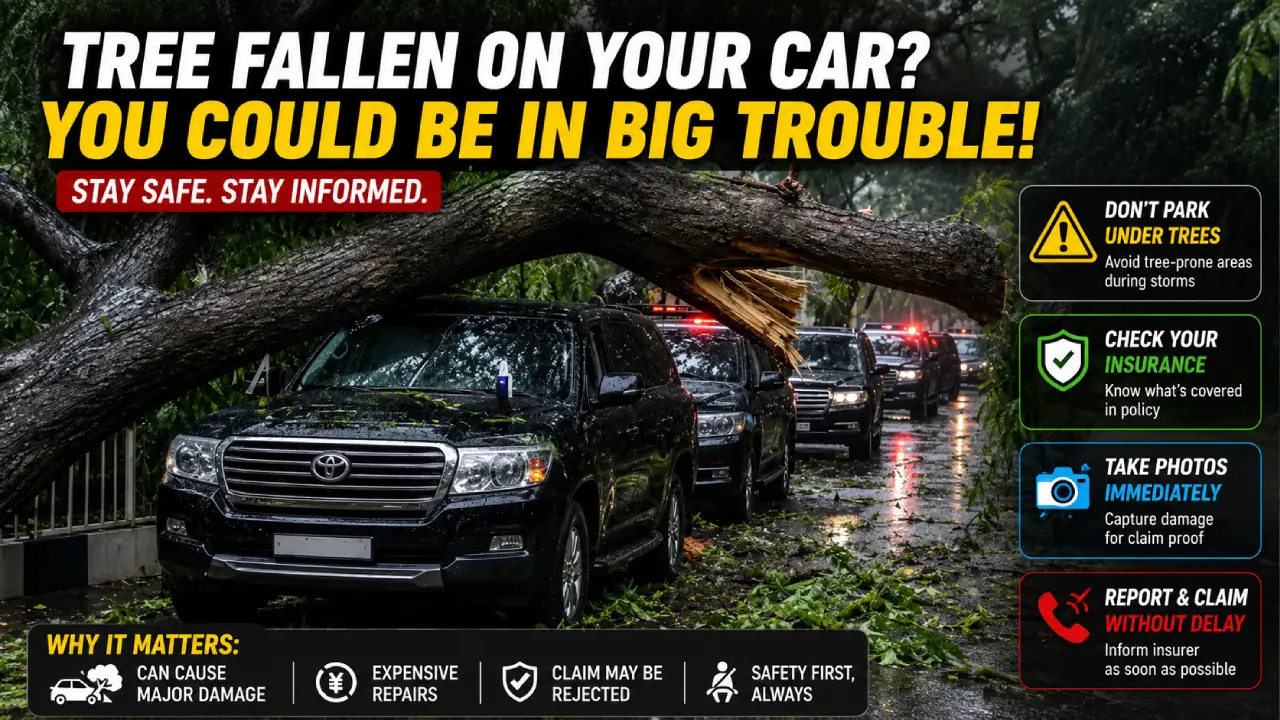
    Mumbai’s Red Alert has once again highlighted how unpredictable the monsoon can be. Reports of a tree falling near a VVIP convoy have sparked discussions about SUV safety, armored vehicles, and essential precautions for every driver during heavy rainfall.

    Mumbai Red Alert: What Makes VVIP SUVs Different?

    Heavy rain, strong winds, and falling trees create serious risks on city roads. While reports about a tree falling near a VVIP convoy have drawn public attention, the incident also reminds everyday drivers that severe weather can challenge any vehicle.

    Unlike regular SUVs, armored VVIP vehicles are designed with reinforced body panels, stronger roof structures, and sealed electrical systems. These upgrades improve occupant protection and help the vehicle withstand harsh operating conditions. Moreover, many of these vehicles feature run-flat tyres and advanced suspension systems for added stability.

    However, even the most advanced SUVs cannot eliminate every risk during extreme weather. Drivers must always follow weather advisories and avoid unnecessary travel during Red Alert conditions.

    Armored SUV vs Standard SUV: Key Safety Differences

    Premium armored SUVs include several engineering upgrades beyond bullet resistance. These vehicles also receive reinforced underbody protection, water-resistant electrical components, and specially designed air intake systems to reduce the chances of water entering the engine.

    Feature Armored SUV Standard SUV
    Roof Protection Reinforced armored structure Standard steel body
    Electrical System Sealed and weather protected Regular wiring layout
    Tyres Run-flat technology Tubeless tyres
    Water Protection Enhanced sealing Standard protection

    Meanwhile, armored SUVs are significantly heavier than regular models. Because of this extra weight, braking distances can increase on wet roads. Therefore, professional drivers operating these vehicles maintain larger safety gaps and reduce speed during heavy rain.

    Monsoon Driving Tips Every SUV Owner Should Follow

    You do not need an armored vehicle to improve your safety. Instead, regular maintenance and cautious driving make a much bigger difference during the rainy season.

    Before starting your journey, inspect tyre tread depth, windshield wipers, headlights, and brakes. Moreover, avoid driving through flooded roads if the water level approaches the wheel hub, as water entering the engine can lead to expensive repairs.

    Keep a safe distance from large vehicles and VVIP convoys. Sudden braking on slippery roads can easily result in rear-end collisions. Additionally, never park your SUV under old or weak trees during storms because falling branches remain one of the biggest monsoon hazards.

    Insurance and Vehicle Protection During Heavy Rain

    Comprehensive insurance with an Engine Protection Add-on can offer valuable financial protection if your vehicle suffers water-related engine damage. Likewise, check whether your policy covers damage caused by falling trees, storms, or flying debris.

    Although modern SUVs include advanced safety technologies like Electronic Stability Control (ESC), multiple airbags, and traction control, responsible driving remains the most effective safety feature. Staying updated with weather alerts and avoiding unnecessary travel during severe storms is always the smarter choice.

    Frequently Asked Questions

    Q1. Are armored SUVs completely safe during heavy rain?

    No. Armored SUVs offer additional structural protection, but they are still affected by flooding, falling trees, and slippery roads.

    Q2. Should I drive through waterlogged roads in my SUV?

    It is best to avoid flooded roads whenever possible. Deep water can damage the engine and electrical systems regardless of the vehicle type.

    Q3. Which insurance cover is useful during the monsoon?

    A comprehensive policy with an Engine Protection Add-on and natural calamity coverage provides better financial protection during heavy rains.

  • Mahindra Thar vs Maruti Jimny: Which SUV Is Safer in Monsoon Floods? July 2026 Price & 4×4 Comparison

    Mahindra Thar vs Maruti Jimny: Which SUV Is Safer in Monsoon Floods? July 2026 Price & 4×4 Comparison

    Introduction: Looking for the best SUV to tackle flooded roads this monsoon? Here’s a detailed comparison of the Mahindra Thar and Maruti Jimny, covering safety, off-road capability, prices, and essential driving tips.

    Mahindra Thar vs Maruti Jimny: Which SUV Is Better for Monsoon Driving?

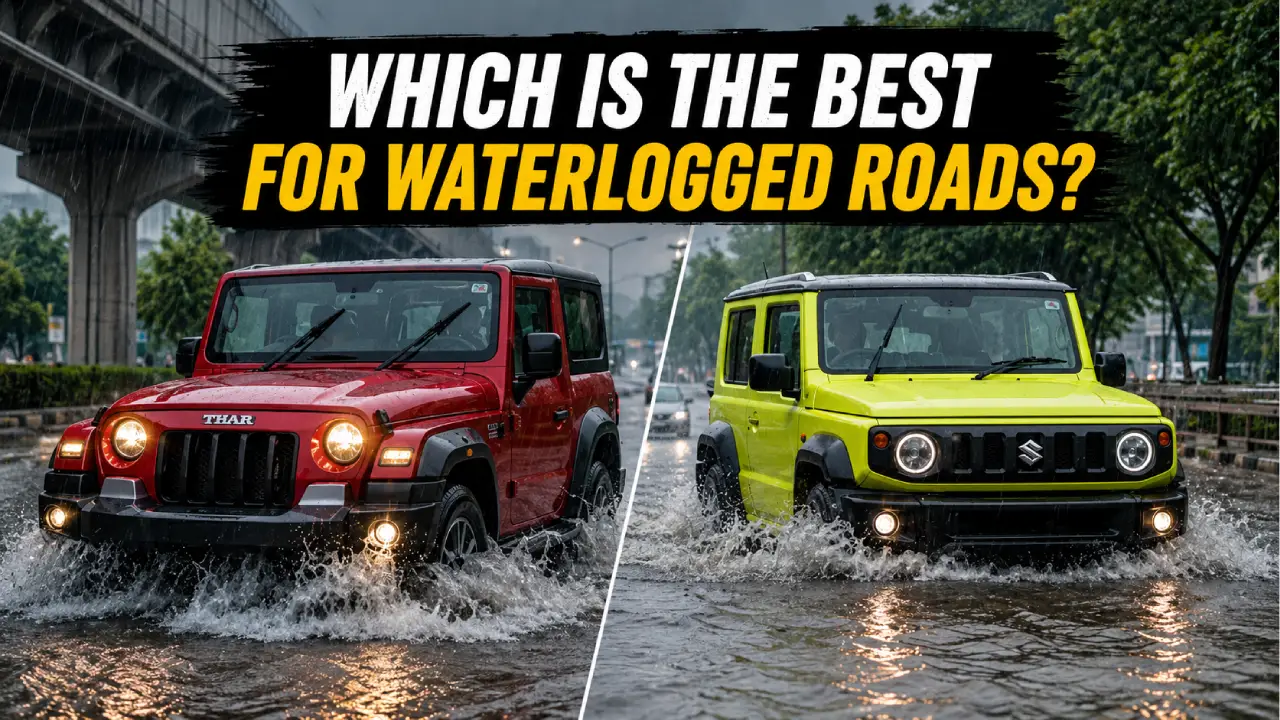
    Heavy monsoon showers across several Indian cities have once again raised concerns about waterlogged roads. During such conditions, buyers often compare the Mahindra Thar and Maruti Suzuki Jimny, two popular 4×4 SUVs known for their off-road capability. Both models come equipped with dedicated four-wheel-drive systems, making them suitable for rough terrain and slippery roads.

    However, driving safely during heavy rainfall depends on much more than just having a 4×4 system. Ground clearance, water wading capability, traction control, and driver awareness all play an equally important role.

    Mahindra Thar Water Wading Capacity and Jimny Off-Road Performance

    The Mahindra Thar offers a 650mm water wading capacity, making it one of the strongest options for deep-water crossings. Moreover, its 226mm ground clearance and larger wheels help maintain stability over potholes, uneven roads, and muddy tracks.

    Meanwhile, the Maruti Jimny has its own strengths. Thanks to its compact dimensions and shorter wheelbase, it feels more agile on narrow city streets and tight village roads. Its low-range transfer case also helps maintain traction while climbing slippery surfaces.

    Both SUVs feature Electronic Stability Program (ESP), which improves grip on wet roads and reduces the risk of skidding during sudden steering inputs.

    Mahindra Thar vs Maruti Jimny Price Comparison (July 2026)

    City Mahindra Thar Maruti Jimny Estimated EMI
    Mumbai ₹14.10 Lakh ₹14.85 Lakh ₹28,000/month
    Surat ₹13.40 Lakh ₹14.10 Lakh ₹26,000/month
    Bhubaneswar ₹13.55 Lakh ₹14.25 Lakh ₹27,000/month

    Prices may vary depending on variant, insurance, and dealer offers. Therefore, buyers should confirm the latest on-road pricing before making a purchase.

    Monsoon Driving Tips for Thar and Jimny Owners

    Even if you own a capable 4×4 SUV, avoid driving through water deeper than the wheel hub. Deep water can enter the engine’s air intake, leading to hydrolock, one of the most expensive engine failures. Repair costs can easily run into several lakhs if water damages internal engine components.

    Moreover, buyers should consider adding an Engine Protection Cover to their insurance policy, as standard comprehensive insurance may not always cover hydrolock-related damage.

    Keep recovery equipment such as a tow strap, portable air compressor, and emergency flashlight inside the vehicle. Checking weather alerts before starting your journey can also help you avoid flooded routes.

    Which SUV Should You Buy?

    If your area regularly experiences deep flooding or challenging rural roads, the Mahindra Thar offers better water wading capability and stronger off-road credentials. On the other hand, if you primarily drive in cities with occasional waterlogging, the Maruti Jimny provides easier maneuverability, compact dimensions, and excellent everyday usability.

    Ultimately, the safer choice depends on your driving conditions, but responsible driving remains the biggest safety feature regardless of which SUV you choose.

    FAQs

    Which SUV has better water wading capacity?

    The Mahindra Thar offers a water wading capacity of up to 650mm, making it more suitable for deeper water crossings than the Jimny.

    Is the Maruti Jimny good for city driving during monsoon?

    Yes. The Jimny’s compact size, short wheelbase, and 4×4 system make it easy to drive through narrow streets and moderate waterlogged roads.

    Can insurance cover engine damage caused by flood water?

    Not always. Most standard policies do not cover hydrolock damage unless you have an Engine Protection Cover included in your insurance.