Tag: Delhi EV policy 2025

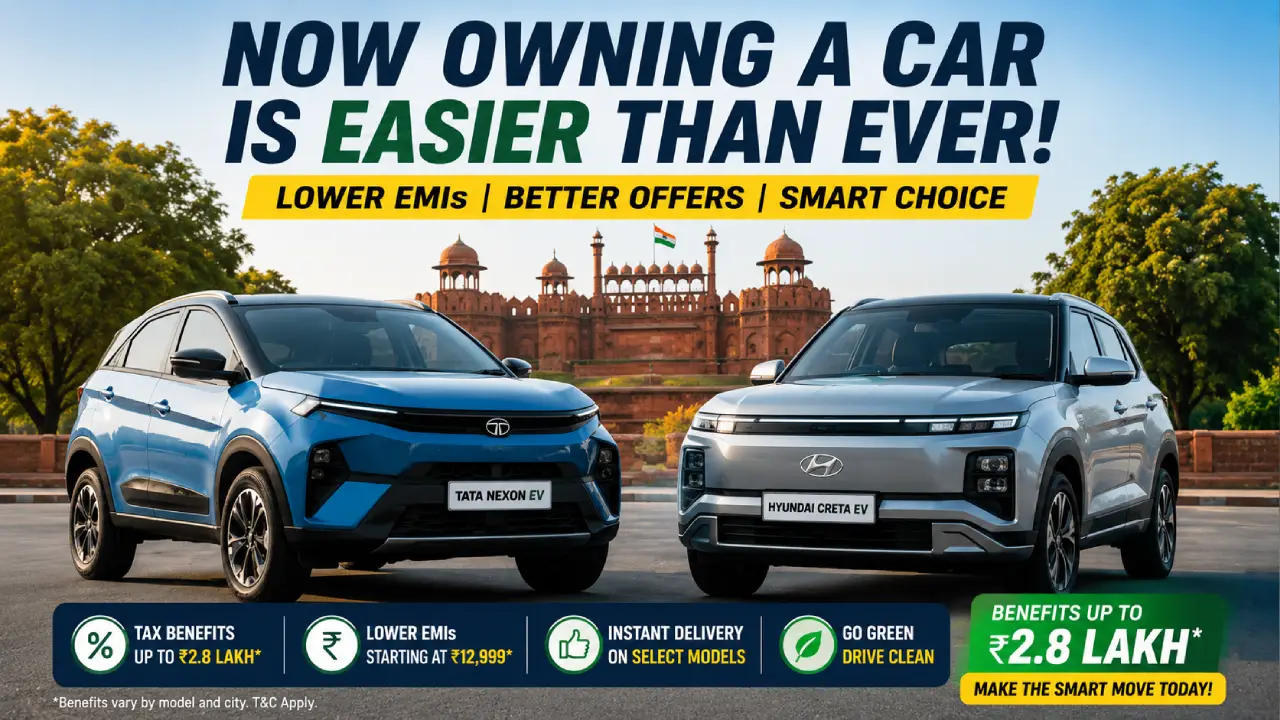
  • Delhi EV Policy 2025: Save Up to ₹2.8 Lakh on Tata Nexon EV & Hyundai Creta EV-Full Benefits Explained

    Delhi EV Policy 2025: Save Up to ₹2.8 Lakh on Tata Nexon EV & Hyundai Creta EV-Full Benefits Explained

    Delhi’s latest EV policy has made electric SUV ownership more affordable than ever. With tax exemptions and lower registration costs, buyers can now save significantly while choosing premium electric vehicles.

    Delhi EV Policy 2025 Makes Electric SUVs More Affordable

    Delhi has introduced a revised electric vehicle policy that offers major financial benefits for eligible EV buyers. Under the new policy, qualifying electric vehicles receive relief on road tax and registration charges, helping reduce the overall ownership cost.

    For buyers considering a premium electric SUV, this update could make a noticeable difference in the final on-road price. Moreover, lower upfront costs also reduce monthly EMI, making electric mobility more accessible for families planning a long-term upgrade.

    Tata Nexon EV vs Hyundai Creta EV: Features, Range and Value

    The Tata Nexon EV remains one of India’s most popular electric SUVs thanks to its practical driving range, strong safety package, and proven ownership experience. It is well suited for both city driving and weekend highway trips.

    Meanwhile, the Hyundai Creta Electric focuses on premium comfort, modern technology, and faster charging capability. Buyers looking for a feature-rich SUV with a spacious cabin may find it a compelling option.

    Feature Tata Nexon EV Hyundai Creta Electric
    Estimated Tax Benefit* Up to ₹2.0 Lakh Up to ₹2.5 Lakh
    Real-World Range* 320–350 km 380–410 km
    Safety Features 6 Airbags, ESC 6 Airbags, ADAS
    Fast Charging Available Available

    *Figures are indicative and may vary depending on the selected variant, driving conditions, and applicable government policies.

    Lower EMI and Ownership Benefits

    Because the policy reduces the effective on-road price, buyers can also expect lower loan amounts and affordable monthly EMI. Therefore, financing a premium electric SUV becomes easier than before.

    Some dealerships may also offer exchange bonuses, finance offers, or promotional discounts. Buyers should compare dealership quotations before booking to maximize savings.

    Should You Buy an Electric SUV Now?

    If you regularly drive within Delhi-NCR and have convenient access to charging, an electric SUV can significantly reduce your long-term running costs. Additionally, electric vehicles require less routine maintenance than conventional petrol or diesel SUVs.

    However, before making your purchase, verify your eligibility under the latest Delhi EV policy, confirm applicable incentives, and compare dealership offers. Evaluating charging infrastructure, warranty coverage, and service support will help you make a better long-term decision.

    Keywords: Delhi EV Policy 2025, Tata Nexon EV, Hyundai Creta Electric, EV subsidy Delhi, Electric SUV India, Nexon EV vs Creta EV, EV tax exemption, Best electric SUV

    Frequently Asked Questions

    Q1. Who can benefit from Delhi’s new EV policy?

    Eligible buyers registering qualifying electric vehicles in Delhi can receive benefits according to the latest government policy and applicable conditions.

    Q2. Which SUV offers a longer driving range?

    The Hyundai Creta Electric is expected to offer a higher claimed driving range, while the Tata Nexon EV remains a strong performer in real-world city driving.

    Q3. Does the policy reduce monthly EMI?

    A lower effective purchase price can reduce the loan amount, which may result in lower monthly EMI depending on the finance plan.
  • Delhi EV Subsidy Portal Goes Live! Buy an Electric Car Cheaper Than Petrol & CNG in 2025

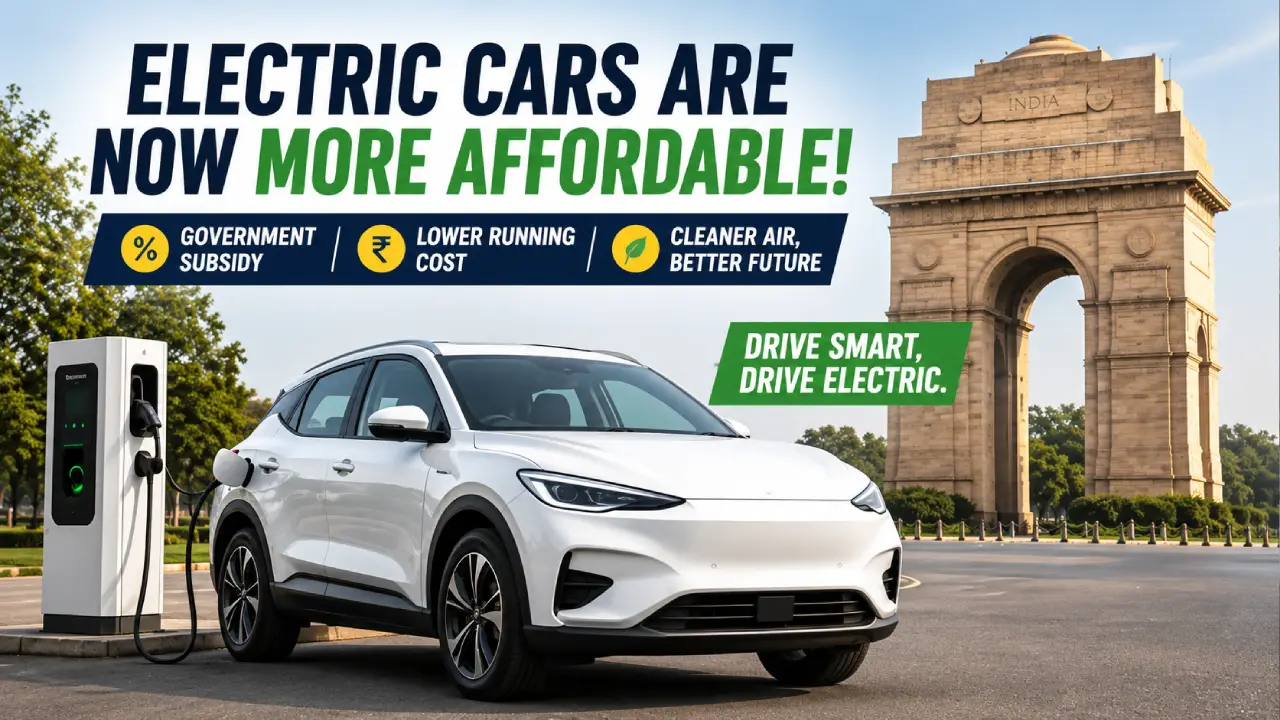
    Delhi EV Subsidy Portal Goes Live! Buy an Electric Car Cheaper Than Petrol & CNG in 2025

    The Delhi EV Subsidy Portal is now live, making electric cars more affordable than ever. With tax benefits, lower running costs, and government incentives, this could be the perfect time to switch from petrol or CNG to an electric vehicle.

    Delhi EV Subsidy Portal Goes Live: What It Means for Buyers

    Electric vehicle adoption is gaining momentum in Delhi as the government has activated its EV subsidy portal for new applications. Buyers can now take advantage of incentives that significantly reduce the overall cost of owning an electric car.

    One of the biggest advantages is the exemption from road tax and registration charges for eligible EVs. As a result, the on-road price becomes much more attractive compared to conventional petrol-powered vehicles. Therefore, buyers planning to purchase a new car should carefully compare ownership costs before making a decision.

    Why Electric Cars Are Becoming More Affordable

    While petrol and CNG fuel prices remain relatively stable, electric cars continue to offer the lowest daily running expenses, especially for owners who charge their vehicles at home.

    Moreover, the total cost of ownership is now easier to justify thanks to government incentives and lower maintenance requirements. However, buyers should note that hybrid vehicles are not eligible for these EV-specific benefits under the current policy.

    Best Value Electric Cars Under ₹15 Lakh

    If your budget is below ₹15 lakh, the Tata Tiago.ev and MG Comet EV are among the strongest choices available in the market. Both models benefit from lower registration costs and affordable running expenses.

    Meanwhile, dealers across Delhi-NCR expect higher showroom visits and test-drive bookings following the subsidy announcement. Entry and mid-spec variants are currently available at many dealerships, although premium colour options may have slightly longer waiting periods.

    Car Model Fuel Type Estimated Delhi Price Estimated Running Cost
    MG Comet EV Electric ₹7.4 Lakh ₹0.80/km
    Tata Tiago.ev Electric ₹8.5 Lakh ₹1.00/km
    Maruti Celerio CNG CNG ₹7.2 Lakh ₹2.80/km
    Maruti Swift Petrol ₹7.6 Lakh ₹5.50/km

    EV vs CNG vs Petrol: Which Saves More?

    Electric vehicles offer the lowest running costs for drivers covering high monthly distances. Charging at home further reduces daily expenses, making EV ownership highly economical over the long term.

    On the other hand, petrol cars remain a sensible option for buyers with lower monthly usage because of their lower purchase complexity and widespread service network. CNG vehicles continue to provide an excellent balance between affordability and fuel savings for regular commuters.

    Final Verdict

    If you drive frequently within the city and have access to home charging, an electric car is likely to deliver the biggest savings over time. Models like the MG Comet EV and Tata Tiago.ev now offer even better value thanks to Delhi’s latest EV incentives.

    However, if charging infrastructure is not convenient for you, a CNG hatchback still remains a practical and cost-effective alternative. Before booking your vehicle, compare available subsidies, dealership offers, and your expected annual mileage to make the smartest financial decision.

    Frequently Asked Questions

    Q1. Who can benefit from the Delhi EV subsidy?

    Eligible buyers purchasing qualifying electric vehicles under the Delhi EV policy can receive applicable incentives, including exemptions on road tax and registration charges, subject to government rules.

    Q2. Which electric car is the best under ₹10 lakh?

    The MG Comet EV and Tata Tiago.ev are among the most popular and affordable electric cars in this price segment.

    Q3. Is an EV cheaper to run than a CNG car?

    Yes. In most cases, electric cars have a lower per-kilometre running cost than CNG vehicles, especially when charged at home.